In the ever-evolving world of fashion, accessories have always played a crucial role in defining style and status. In recent years, however, a new category of accessories has emerged: designer iPhone cases. What was once a simple, utilitarian item has transformed into a luxurious, highly coveted fashion statement. The rise of luxury tech accessories has redefined the relationship between fashion and technology, offering a seamless fusion of style and functionality. From the humble beginnings of generic plastic cases to the now ubiquitous presence of designer iPhone cases from brands like Gucci, Louis Vuitton, Chanel, and Dior, the evolution of these accessories represents a unique intersection of high fashion and tech innovation. This article explores the journey of designer iPhone cases, tracing their transformation into one of the most desirable fashion accessories of the 21st century.
The Rise of the iPhone: A New Fashion Frontier
When Apple released the first iPhone in 2007, it wasn’t just a breakthrough in technology—it was a cultural phenomenon. The iPhone rapidly became more than just a communication tool; it became a status symbol and an essential part of daily life. As smartphones became more powerful and integrated into every aspect of life, they also started to reflect the individual’s personal style. As a result, tech accessories quickly gained traction as fashionable must-haves, and the iPhone case became an essential part of that equation.
In the early years of the iPhone, cases were simple, practical solutions designed to protect the device. They were often made from rubber, plastic, or silicone and served little purpose beyond basic protection. However, as smartphones evolved into more than just communication devices—becoming the center of social interactions, work, and entertainment—the accessories around them followed suit. People began seeking more than just functional cases—they wanted cases that would reflect their personality, status, and aesthetic preferences.
The Advent of Luxury Designer iPhone Cases
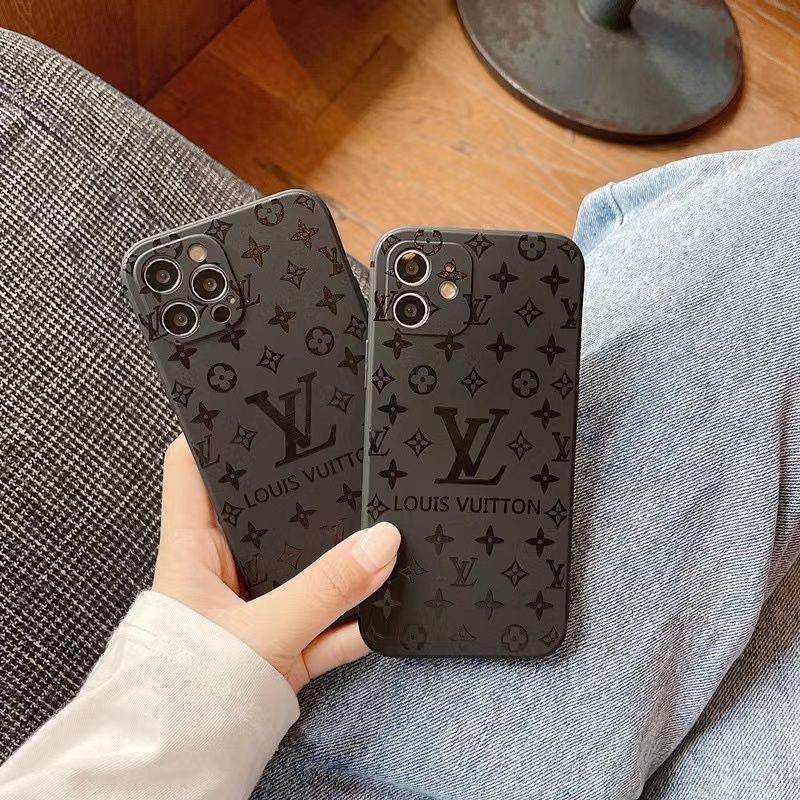
The luxury fashion industry was quick to recognize the growing demand for stylish tech accessories. High-end brands, known for their iconic bags, shoes, and clothing, began entering the market with their own versions of designer iPhone cases. Louis Vuitton was one of the first to jump on the bandwagon, offering iPhone cases made from their signature Monogram canvas and Damier print. The idea of a luxury brand offering a tech accessory was groundbreaking at the time, signaling a shift toward the inclusion of everyday items in the realm of high fashion.
As the demand for designer iPhone cases grew, other luxury brands followed suit. Gucci, Prada, Chanel, and Dior introduced their own cases, each reflecting their unique aesthetic. The market for designer cases rapidly expanded, catering to a growing demographic of consumers who saw their iPhones as an extension of their personal style. Luxury iPhone cases quickly became synonymous with prestige and exclusivity, offering the perfect balance of fashion and function.
The Design Evolution: From Basic to Bespoke
Early designer iPhone cases were often simple in design, typically incorporating the brand’s signature logo or print. Louis Vuitton’s Monogram canvas and Gucci’s GG pattern became the iconic motifs, representing a recognizable blend of high fashion and personal technology. However, as the market grew, so did the demand for more personalized, creative, and innovative designs.
The evolution of iPhone case designs mirrors trends in high fashion. While some cases stuck to the traditional signature patterns, others began to experiment with bolder designs, materials, and textures. Chanel, for instance, introduced iPhone cases that featured its iconic quilted leather, similar to the material used for its classic Chanel bags. Meanwhile, Dior embraced its Oblique monogram pattern in luxurious leather and canvas, creating a case that was both a fashion statement and a conversation piece.
Brands also began offering customization options, allowing customers to engrave their initials or add bespoke elements to their iPhone cases. This personalization trend mirrored the larger fashion movement of tailored, unique designs, giving consumers the chance to make their cases truly their own.
The shift from standardized designs to more avant-garde, artistic creations has been another hallmark of the evolution of designer iPhone cases. For example, Fendi has embraced quirky and playful designs, with cases featuring everything from fur embellishments to interactive elements like pockets and keychains. Meanwhile, brands like Balenciaga have infused streetwear aesthetics into their iPhone case collections, offering oversized, bold cases with geometric shapes and vibrant prints.
Functionality Meets Luxury: The Balance of Practicality and Style
While fashionable and eye-catching designs were crucial to the success of designer iPhone cases, it was equally important that these cases performed the basic functions they were designed for—protection. Early luxury cases were often criticized for being too bulky or not providing enough protection for the device. However, over time, brands began to realize that their luxury cases needed to balance style with functionality.
The materials used in high-end iPhone cases reflect this focus on both aesthetics and durability. Leather, saffiano leather, and premium canvas are now commonly used for their ability to withstand wear and tear while maintaining a luxurious look. Metal accents and shockproof linings ensure that designer cases offer adequate protection against drops and scratches. Brands like Saint Laurent and Miu Miu have even incorporated wallet functionality into their iPhone cases, allowing users to carry their cards and cash alongside their phones, creating a practical yet stylish solution for those on the go.
The Impact of Social Media and Celebrities
In the digital age, social media has played a significant role in popularizing designer iPhone cases. Celebrities, influencers, and fashion bloggers frequently post photos of their luxury accessories, which often include the latest designer iPhone cases. This visibility has elevated these accessories from simple functional items to status symbols that align with high fashion.
Platforms like Instagram and TikTok have given rise to a new wave of influencer culture, where showcasing luxury items has become a form of self-expression. As a result, designer iPhone cases are now frequently featured in styling videos, unboxing reviews, and fashion hauls, creating a sense of aspiration for followers and consumers alike.
The Future of Designer iPhone Cases
As the line between technology and fashion continues to blur, designer iPhone cases are likely to evolve even further. Future designs may incorporate smart technology like wireless charging capabilities, built-in speakers, or augmented reality features, blending cutting-edge tech with high-end fashion. Sustainability is also expected to play a key role, with more brands opting for eco-friendly materials and ethical production methods.
Moreover, the desire for personalized, one-of-a-kind accessories will likely continue to rise, as consumers increasingly seek out exclusive designs that reflect their individual personalities. The future of designer iPhone cases may also involve more collaborations between tech giants and luxury brands, creating even more innovative and luxurious accessories that marry fashion with technology.
Conclusion
The evolution of designer iPhone cases is a testament to the way technology and fashion intersect and influence one another. What began as a simple necessity has transformed into a luxurious, highly sought-after accessory that showcases the power of branding, craftsmanship, and design innovation. Today, owning a designer iPhone case is not just about protecting your device—it’s about making a statement, expressing personal style, and embracing the fusion of luxury and technology. As the world of high fashion continues to adapt to the digital age, it’s clear that designer iPhone cases are here to stay, evolving with both technology and trends to remain a coveted accessory for years to come.
 Tech Trove Hub